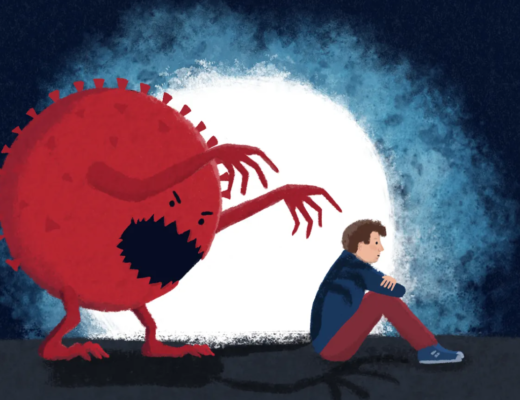
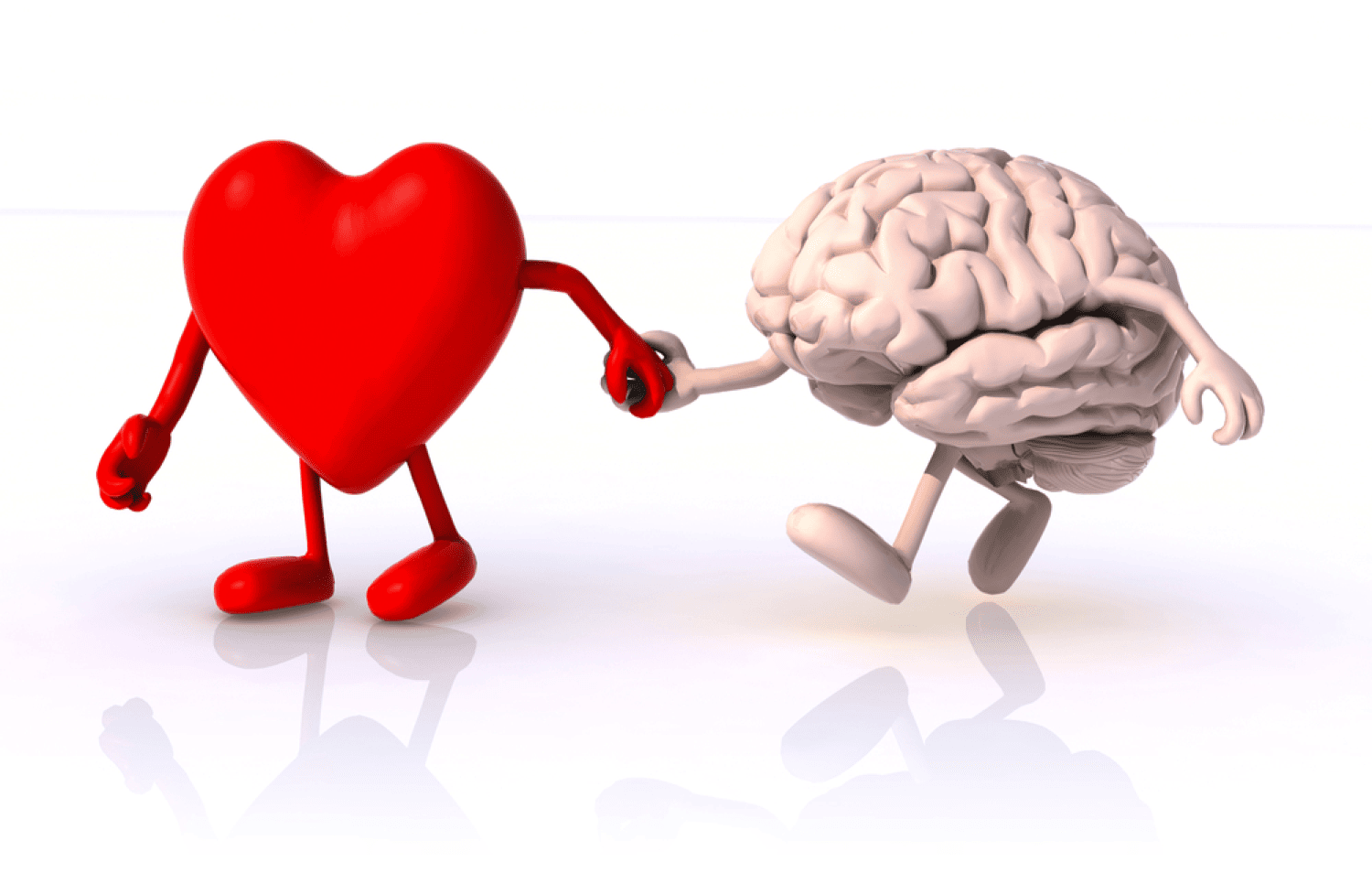
Your mind and your heart affect each other. This is not just a guess. Research has verified this fact. It has been shown that stress, depression, and feeling out of control add up to about 30 percent of the risk of a first heart attack. That is a big number. It is close to the risk from high blood pressure. People with depression are more likely to get heart disease. This does not mean stress alone causes heart disease. It does not mean a heart problem is “just in the mind.” Heart disease has many causes. These include blood pressure, cholesterol, diabetes, smoking, family history, age, and lack of exercise. Mental health is one part of the picture. It is a part we can work on.
What has research shown?
- A large 52-country study found that stress and depression together make up close to one-third of the risk for a first heart attack.
- Many studies show that people with depression have a higher chance of heart disease. The risk is about 1.3 to 1.9 times higher.
- About 1 in 5 people who have a heart attack also have depression at that time.
- Depression after a heart attack raises the risk of dying or going back to the hospital.
Stress and Heart
When you feel stressed, your body releases hormones. Two of them are adrenaline and cortisol. Your heart beats faster. You breathe faster. Your blood pressure rises for a short time. This is normal and helpful in real danger. The problem starts when this happens again and again for weeks or months. This can happen with work pressure, family stress, money worries, grief, or ongoing conflict. Too much cortisol over time can raise blood pressure. It can also raise blood sugar and cause weight gain, especially around the belly. It can cause low-level inflammation in the body. All of these raise the risk of heart disease. Long-term stress also makes healthy habits harder. It can be harder to sleep well, exercise, eat on time, take medicines regularly, or avoid smoking and alcohol.
Some anxiety symptoms feel like heart symptoms. Do not assume chest pain, breathlessness, fainting, a racing heart, or pain in the arm, jaw, back, or shoulder is “just anxiety.” Get checked quickly, especially if it is new, severe, happens with activity, or comes with sweating, nausea, or dizziness. A doctor can help find out if it is the heart or something else.
Heart disease affects mental health
After a heart attack, stroke, heart failure diagnosis, or heart procedure, many people feel worried or low. About 1 in 5 patients develop depression after this kind of event. Many more have some symptoms without a full diagnosis. People may notice every small bodily feeling and worry it is another heart attack. They may avoid activity or lose confidence. This is common. It can be treated. Depression after a heart attack is linked to a higher risk of future heart problems and death. This is why doctors are now checking for depression more often after a heart attack. Talk to your doctor about these feelings instead of carrying them alone.
Seven simple steps for heart and mind
- Know your numbers: Check your blood pressure, blood sugar, cholesterol, and weight. Ask your doctor what your numbers mean and what is a healthy target for you.
- Move your body: Try for at least 150 minutes of activity each week. This is the general target used in heart health guidelines. Brisk walking is a good start. If you have a heart condition, ask your doctor what is safe for you.
- Protect your sleep: Try to sleep and wake at the same time each day. Cut down on late caffeine and nicotine. Tell your doctor if you snore loudly, stop breathing during sleep, or feel very sleepy during the day. Poor sleep is linked to both high blood pressure and depression.
- Use a simple habit to decrease stress: Try slow breathing for five minutes. Take a short walk. Pause before replying to a stressful message. The goal is not to remove all stress. The goal is to stop the same stress reaction from happening again and again.
- Take your medicines as prescribed: Do not stop heart or psychiatric medicines suddenly because of something you read online or a side effect. Talk to your doctor first. Some psychiatric medicines can affect weight, blood sugar, or cholesterol, so regular checks may be needed.
- Stay connected: Tell someone you trust when you are struggling. Being isolated is itself linked to higher heart risk in long-term studies. Family members can also help with appointments, medicines, and getting back to daily activity.
- Talk to doctor: If you or a family member has high blood pressure, diabetes, or a heart condition, it is fine to also talk to your doctor about mood, sleep, or worry. You can ask for a referral to a psychiatrist. Treating the heart and the mind together works better than treating only one.
When to seek help
Talk to a doctor or mental health professional if low mood, worry, panic, poor sleep, or heavy alcohol use lasts more than two weeks. Also seek help if it is affecting your work, relationships, self-care, or medical treatment. Treatment can include talking therapy, lifestyle changes, medicines, or a mix of these. The right plan depends on the person. If you have thoughts of harming yourself, or you do not feel safe, contact emergency services, a crisis helpline, or a trusted person right away. Do not stay alone with these feelings.
FAQs
Can anxiety cause a heart attack?
Anxiety can cause a fast heartbeat, tight chest, shortness of breath, and sweating. These feel a lot like heart attack symptoms. Do not decide on your own that it is “just anxiety” if the symptoms are new or severe. Get checked. A test like an ECG can tell the difference.
Can people with heart disease take psychiatric medications?
Yes, often they can. The right choice depends on the diagnosis, other medicines, heart rhythm, and medical history. Some medicines need more caution in people with heart disease, and others are considered safe. A psychiatrist or prescribing doctor checks the full list of medicines and monitors for side effects.
Does stress always cause heart disease?
It is strongly linked. Major heart health organizations list stress and depression as real, treatable risk factors for heart disease, alongside smoking and high cholesterol. The large multi-country study found stress and depression make up close to 30 percent of heart attack risk. Many other studies support this link. Like most health research, these studies show a strong connection, not absolute proof for every single person.
What is the first change worth making?
Pick one small, clear action for this week. Examples: a 20-minute walk most days, taking your medicine at the same time daily, booking a blood pressure check, or talking to a doctor about ongoing worry or low mood. Small steps you can keep doing are better than a big plan you cannot follow.
The key message
Mind and heart are connected. This has been shown by science, not just by common sense. The best approach is simple and practical: know your numbers, treat problems early, move your body safely, sleep well, avoid tobacco, limit alcohol, and ask for help when stress or low mood takes over. Caring for the mind is part of caring for the body, not separate from it.