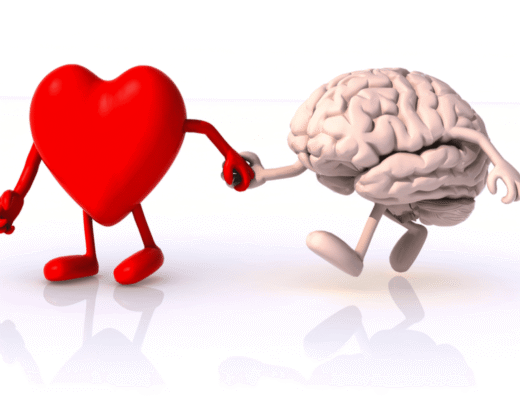
Mental illness has followed humanity since time immemorial, often described as a hidden demon within us, and even today, it affects roughly one in four people in the general population at some point in their lives. We have moved from an era when people with mental illness were outcasts and locked away in asylums to an era where they are treated openly in general hospitals, sitting in the same waiting room as someone with diabetes or high blood pressure. Yet in Nepal, despite this progress, the question I am still asked most often in my clinic is simple: are these real illnesses, and what exactly is wrong with a person who has one?
Let me answer that directly. Mental illness refers to a wide range of conditions that affect mood, thinking, and behavior, ranging from mild to severe. What separates illness from an ordinary bad day is this: a person with an untreated mental illness becomes unable to cope with the ordinary demands of daily life, whether that is going to school, running a shop, managing a household, or working abroad.
It is a fact of life that we all feel sad sometimes and irritable at other times. After the 2015 earthquake, thousands of people lost homes, family members, and livelihoods and grieved deeply. Most of them, given time and support, found their footing again. We do not call this a mental illness because the response is proportionate and self-limiting. But when a person carries a cluster of symptoms for weeks or months, with clear disruption of their work, relationships, or self-care, we are no longer looking at a normal reaction. We are looking at a psychiatric illness, such as depression, anxiety, psychosis, conversion disorder, intellectual disability, or substance use disorder.
Case 1: A 32-year-old man returns from Qatar after four years of foreign employment. His family says he has “changed.” He barely speaks, has stopped eating with the family, spends the day in his room, and once told his brother that the neighbors were plotting against him through the television. The family’s first instinct was to consult a dhami-jhankri, believing he had been possessed while abroad. By the time he reached a psychiatrist, he had been unwell for nearly eight months. He had psychosis, not a curse, and responded well to antipsychotic treatment combined with family psychoeducation.
Ask people on the street in Kathmandu what a “mentally ill person” looks like, and most will describe someone disheveled, talking to themselves, wandering the streets near Pashupati. This image is only the tip of the iceberg. The much larger number of people with mental illness are sitting quietly inside homes in Koteshwor, Pokhara, Biratnagar, and Nepalgunj, unrecognized, because the symptoms are far less dramatic than the stereotype. Watch for sadness, low energy, loss of interest in things once enjoyed, anxiety, palpitations, a constant sense of apprehension, headache, poor concentration, talking to oneself, firmly held false beliefs, suicidal thoughts, behavior that cannot otherwise be explained, disturbed sleep, and poor appetite. Any of these, persisting and interfering with function, warrants a consultation with a psychiatrist.
Case 2: A 24-year-old university student in Kathmandu started missing classes, stopped replying to friends on Messenger, and told her roommate she felt like a burden to her family. Her parents initially dismissed it as “exam stress” and pressure from social media comparison. It was her roommate, having seen a mental health awareness reel on Instagram, who insisted she see a doctor. She was diagnosed with moderate depression and responded well to a combination of antidepressant medication and cognitive behavioral therapy over four months.
Explanatory models for mental illness in Nepal remain diverse. Many still attribute it to curses, bokshi, or possession by evil spirits, and dhami-jhankris remain a common first point of contact, particularly in rural areas. Among more urban and educated populations, the belief has shifted toward personal, family, and social stressors as the cause, which is closer to the truth but still incomplete.
The scientific explanation lies in the biopsychosocial model. Biological factors include genetic predisposition, imbalance of neurochemicals in the brain, head injury, infections, medication side effects, and brain tumors. Psychological factors include poor coping mechanisms, chronic stress, personality structure, and childhood trauma, including the adverse effects of migration-related parental absence, which is particularly relevant in Nepal given how many households have one or both parents working abroad. Social factors include domestic violence, disasters, conflict, and the aftermath of the decade-long insurgency, whose psychological scars are still being treated today. The essential point is that these factors act upon an underlying biological vulnerability; not everyone exposed to the same stress develops the same illness.
Case 3: A 45-year-old woman in a mid-hill village began complaining of chest tightness, breathlessness, and a fear of dying, occurring almost daily, ever since her husband left for foreign employment in Malaysia. Repeated ECGs and cardiac workups at the district hospital were normal. She was eventually referred to a visiting psychiatrist during an outreach camp and diagnosed with panic disorder. She improved on a low-dose SSRI and brief relaxation training, something that could have been started a year and several unnecessary cardiac tests earlier.
The good news, which does not change with geography or era, is that almost all mental illnesses are treatable, and patients can return to full functioning. Treatment rests on two pillars used in combination: pharmacological, meaning medications prescribed by a psychiatrist; and non-pharmacological, meaning counseling, psychotherapy, relaxation training, and stress management, usually delivered by a psychologist or psychiatrist.
To conclude, myths around mental illness in Nepal are still widespread, and stigma still makes people hesitate before seeking help or even discussing it openly. But mental illness is, in every meaningful sense, similar to physical illness. It has identifiable causes, recognizable symptoms, measurable biological changes, and effective treatment. If you or someone you know is showing these signs, the right step is the same one you would take for any other illness: see a doctor, without delay and without shame.